Taking Down Trees That No Longer Fit Your Property
Tree Removal in Dimondale for trees affected by decline, damage, or site plans that require clearance
When a tree needs to come down because of storm damage, disease progression, or property changes, the work involves more than cutting and hauling. Caleb's Green Thumb, LLC provides tree removal in Dimondale, Eaton Rapids, Holt, and surrounding areas after evaluating the tree's condition, nearby structures, access routes, and workspace required to bring the tree down safely. You notice the tree is gone, the area is cleared, and obstacles that limited yard use or created maintenance concerns no longer remain.
Removal decisions often follow visible decline—dead branches throughout the canopy, trunk damage from storms, or root issues that destabilize the tree. Other removals happen because trees interfere with construction projects, block sunlight needed for landscaping, or grow too close to buildings and driveways.
Request an assessment to review the tree, surrounding area, and site-specific factors before receiving a removal estimate.
How Tree Removal Work Is Planned and Completed
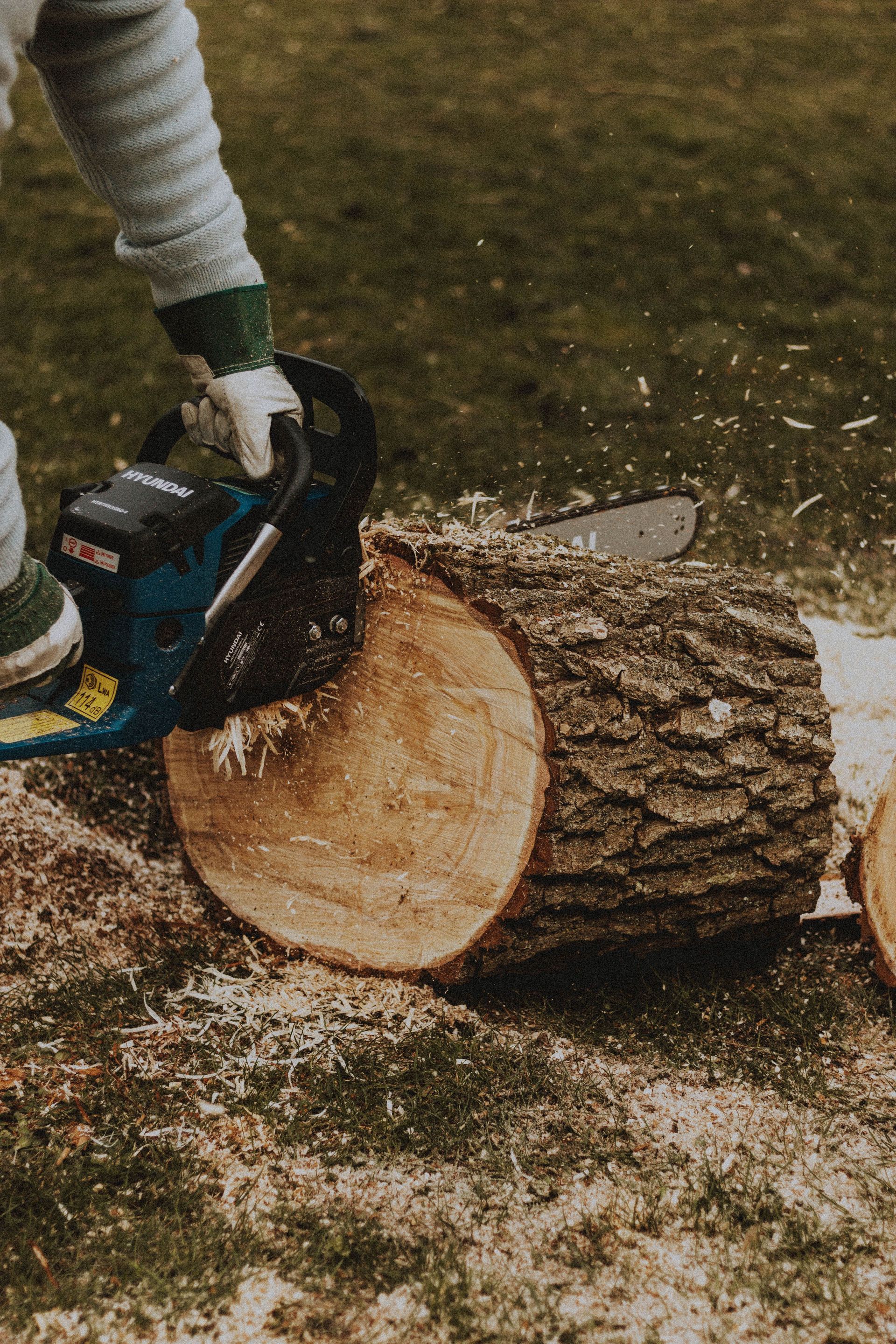
Removal begins with evaluating the tree's size, lean, branch structure, and proximity to structures, fences, or power lines. Access to the work area affects equipment choices and whether the tree can be felled in sections or must be dismantled piece by piece from the top down.
Once the tree is down, you see an open area where the canopy and trunk once stood, with debris removed and the site cleared for replanting, lawn restoration, or other uses. The space becomes usable again without branches overhead or a declining tree that drops limbs unpredictably.
Removal does not automatically include stump grinding, which is a separate service addressed after the tree itself is gone. Properties with limited access, steep grades, or trees near buildings require additional planning to protect existing landscape features and structures during the work.
Common Questions About Removing a Tree
Residential property owners in Dimondale and neighboring communities frequently ask about the process, timing, and considerations involved when a tree must be taken down rather than trimmed or maintained.
Caleb's Green Thumb, LLC evaluates each tree removal project individually based on site conditions and property layout. Arrange an on-site consultation to discuss your tree, review access and workspace, and receive a project-specific estimate.
What factors determine whether a tree should be removed?
Removal is typically considered when a tree shows extensive dieback, structural instability, root damage, or conflicts with planned property improvements that cannot be resolved through pruning alone.
How is the area around the tree protected during removal?
Surrounding landscape features, fencing, and hardscape are assessed before work begins, and removal methods are chosen based on available clearance and the risk of damage to nearby structures.
When is the best time to schedule tree removal in Michigan?
Removal can occur year-round, though frozen ground in winter limits stump grinding options and wet spring soil can affect equipment access on residential lots.
What happens to the wood and branches after a tree is removed?
Debris is typically cut into manageable sections and hauled away, though some customers request that larger trunk sections be left on-site for firewood or other uses.
Why does tree removal cost vary between properties?
Removal costs reflect tree size, proximity to structures, access limitations, and whether the tree can be felled directly or requires sectional dismantling to avoid damaging nearby features.